What will the food be like?
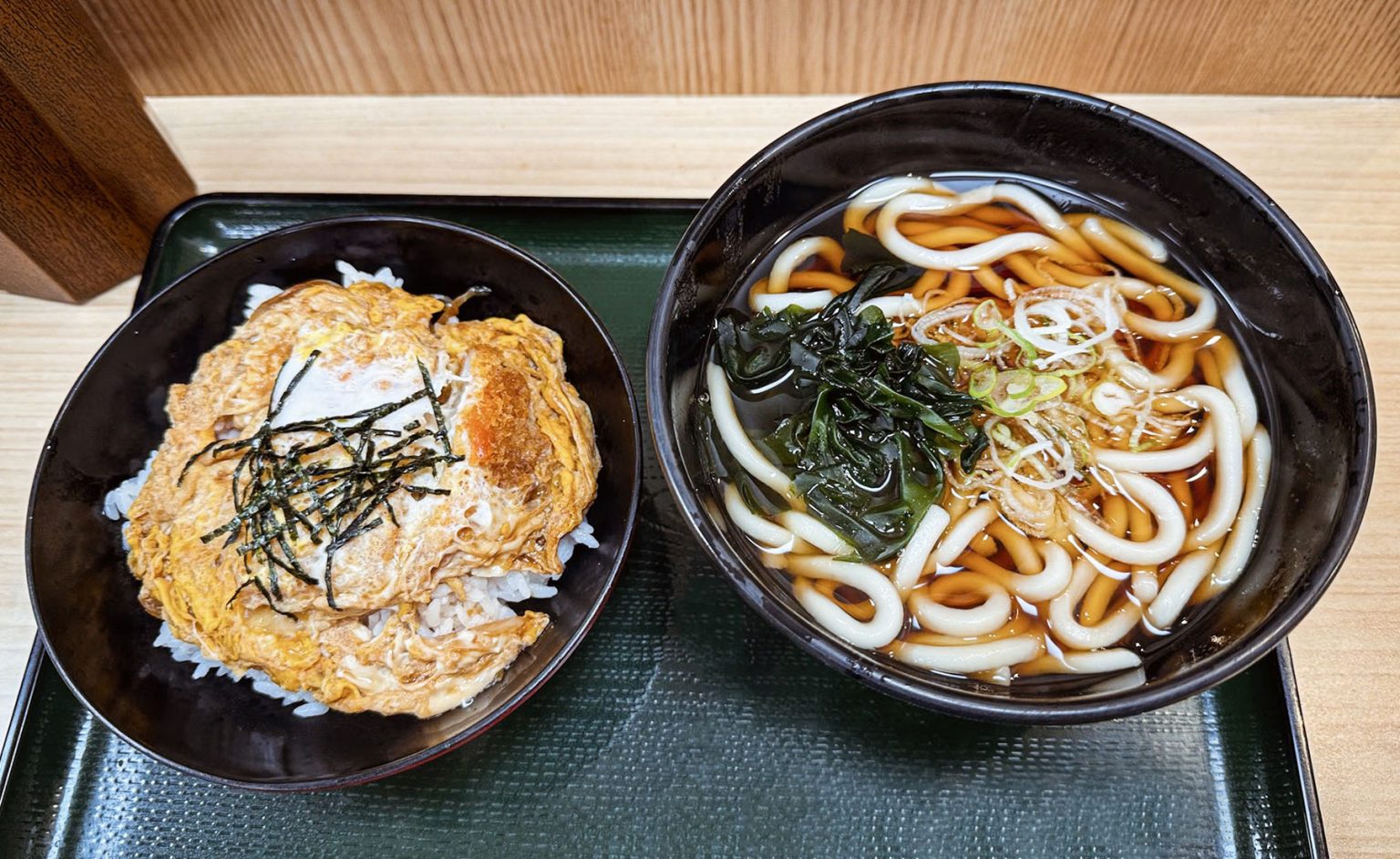
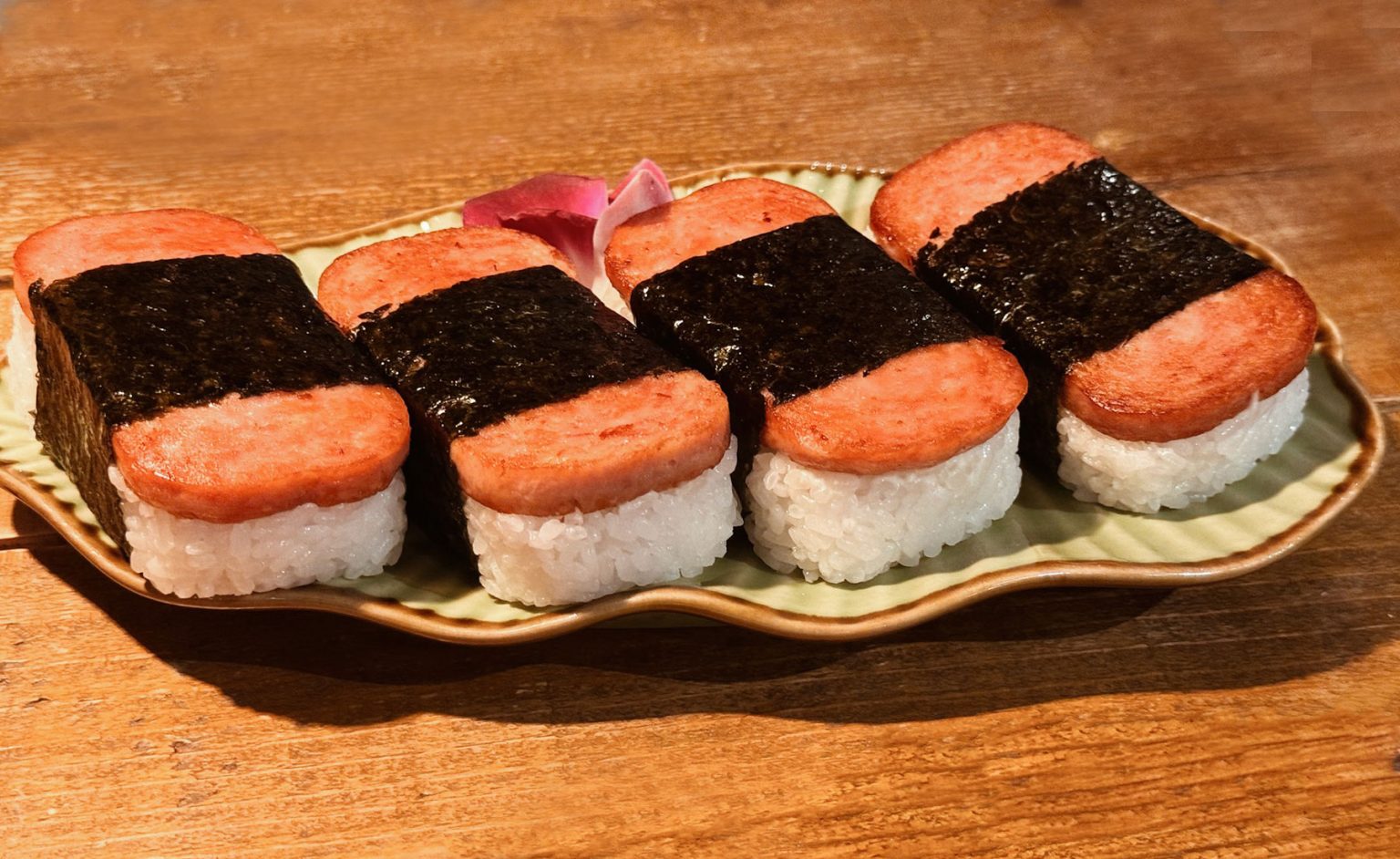
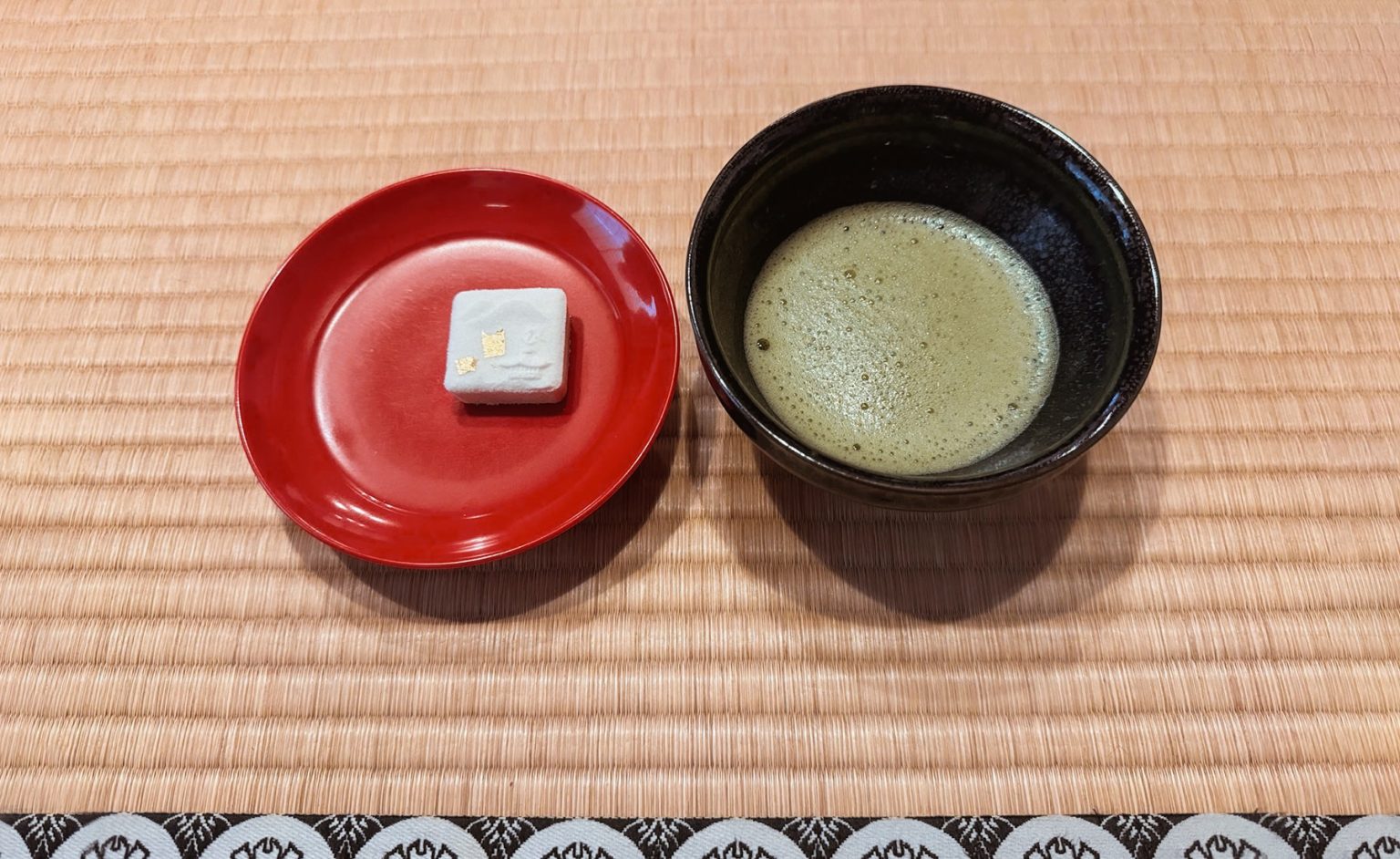
Japan offers a mix of Western and Japanese cuisine. However, most of the food during the trip will be Japanese, with some Western options available. Please inform us of any dietary restrictions in advance.
Do I need to speak any Japanese?
While it’s not required, learning basic greetings such as “Hello” (Konnichiwa), “Thank You” (Arigato gozaimasu), and “Goodbye” (Sayonara) is appreciated by locals. Rest assured, English-speaking guides will accompany us throughout the trip.
Can I buy gear in Japan instead of packing it?
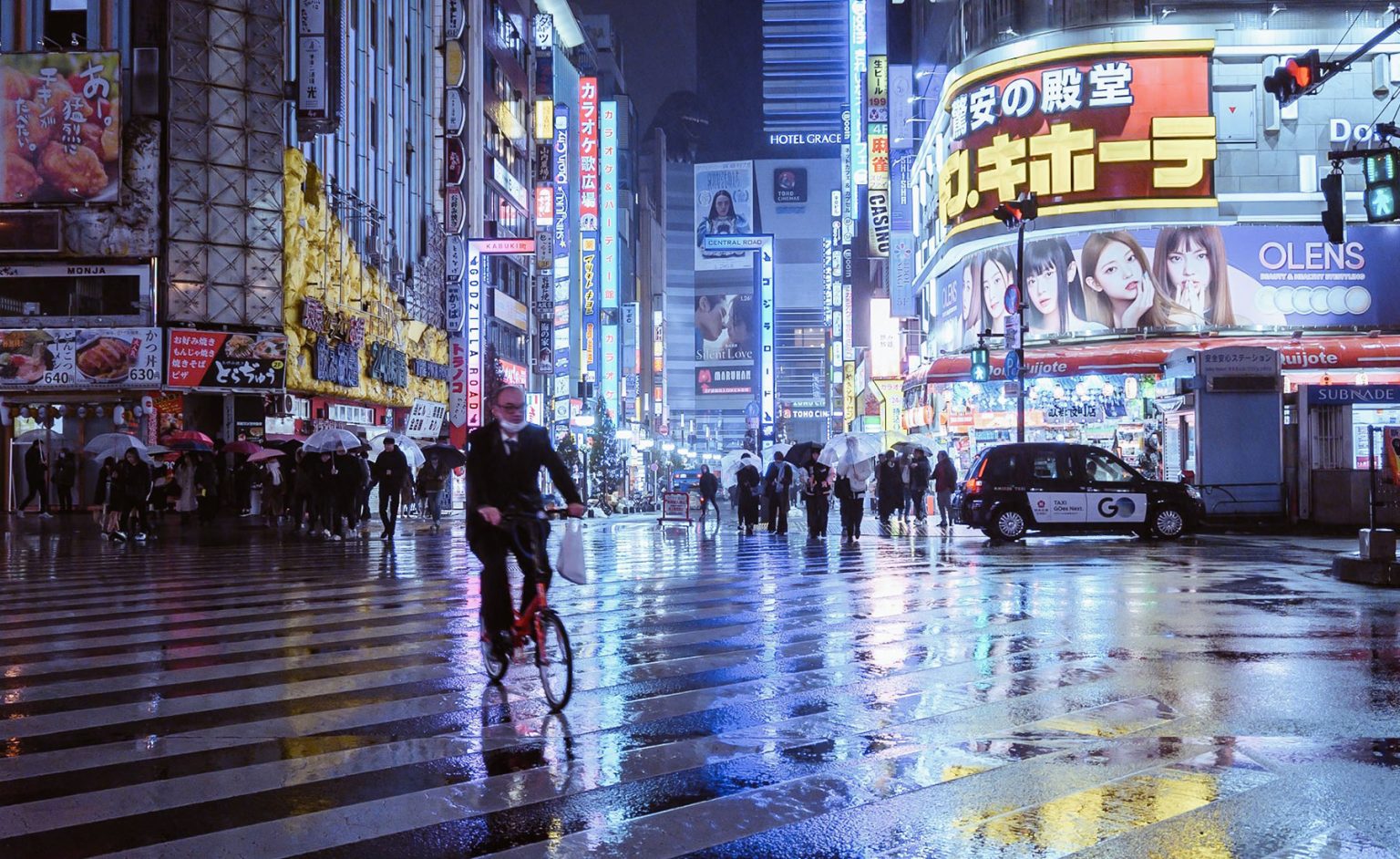
Yes, we plan to visit Alpen, a large gear store in Tokyo’s Shinjuku area. If time permits and you have a specific store in mind, let us know in advance so we can try to accommodate your request within our Tokyo route.
What are some essential social cues for being respectful?
Japanese customs emphasize respect and consideration. Key practices include:
– Being quiet on public transportation and trains.
– Bowing as a sign of respect.
– Forming orderly queues.
– Using chopsticks correctly.
Our local host will provide additional etiquette tips in person.
How do Japanese public hot spring baths work?
Public hot spring baths (onsen) are a sacred experience in Japan, and cleanliness is vital. Guests must use provided showers to wash thoroughly before entering. Bathing suits are not worn in onsen. For guests with tattoos, we’ll recommend tattoo-friendly baths. Foreign visitors are often given exceptions, but we’ll confirm options in advance.
How much personal Yen should I bring? Can I withdraw from ATMs?
International ATMs are available in most convenience stores throughout Tokyo, making cash easily accessible. For personal expenses, we recommend carrying at least 20,000 Yen in cash.
Should I have a Japanese SIM card for my phone?
You can order a SIM card for delivery to your home or purchase one upon arrival at Haneda or Narita Airport. Alternatively, consider an eSIM from providers like Airalo, which is cost-effective and easy to set up. These provide data services but no Japanese phone number. If your carrier offers an international travel package, that may be the simplest option. Having data access is essential for communication with the rest of the group via WhatsApp and navigating with Google Maps during the trip.
How much mobile data will I need for this Japan adventure?
WhatsApp and Google Maps require minimal data, so a basic data plan should suffice unless you are a heavy user.
Do I need to bring any sports-related nutrition from home?
Japan has a wide range of sports nutrition products, including well-known brands like Maurten. However, if you rely on specific brands unavailable in Japan, feel free to bring your own.
What travel apps should I download before departure?
We recommend downloading the following apps:
Google Maps (navigation)
Google Translate (language assistance)
XE.com (currency conversion)
Japan Travel by Navitime (transportation)
WhatsApp (group)
What is a Suica or PASMO card, and should I get one?
Instead of carrying Yen change to buy a sports drink from a vending machine, you can simply tap your cash card to make the purchase. Suica and PASMO cards are prepaid transit cards that can also be used for small purchases like vending machines, food, and drinks. While meals are included on this trip, snacks and drinks are not.
Apple Users: Add a Suica or PASMO card to your Wallet app.
Android Users: Physical cards are available at the airport upon arrival.
Both cards function the same way, so you can choose either one.
What airport should I arrive at, Narita, for Haneda?
Both airports work well, but each has pros and cons:
– Narita Airport: The N’EX Narita Express train offers a direct and comfortable ride to Shinjuku in about 90 minutes.
– Haneda Airport: Located closer to Shinjuku, but the train system requires transfers and can be crowded. We recommend taking the highway bus from Haneda to Shinjuku Bus Station (Busta Shinjuku).
*Choose the airport based on the best flight deals rather than location.
What type of power plugs are used in Japan?
Japan uses Type A plugs, which have two flat pins. Some Western-style hotels offer the grounded Type B plug (three-prong), but these are rare. If you’re from North America your devices likely use Type A or Type B plugs, so no adapter is necessary. However, if your devices have three-pronged plugs (Type B) is worth bringing an adapter.
If you’re from Europe, the UK, Australia, or other countries, your plugs are likely different (e.g., Type C, G, or I). You’ll need a universal travel adapter that works with Type A outlets. If you forgot your adapter, convenience and electronics stores sell them.
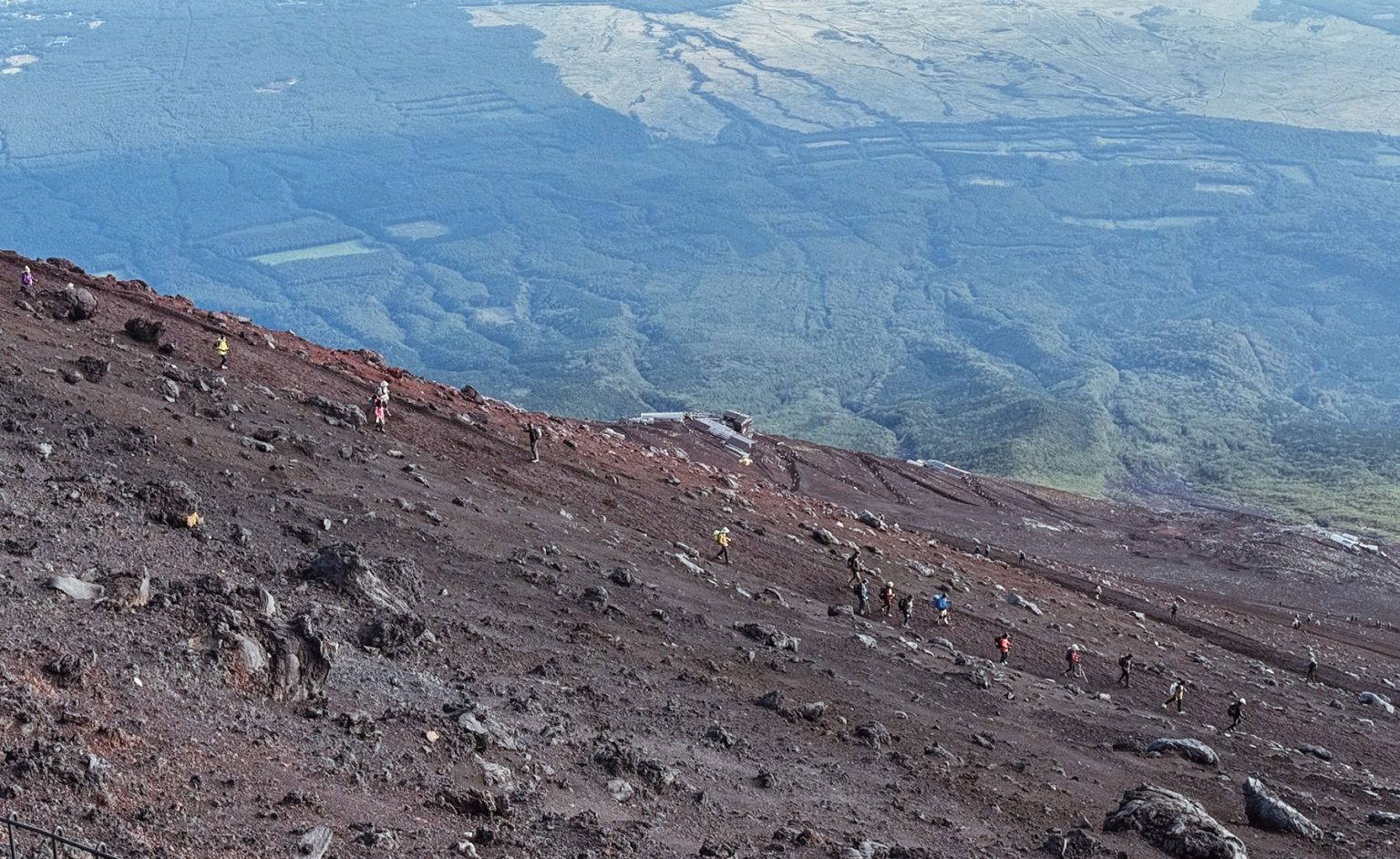
Are restrooms available on the Mount Fuji climb?
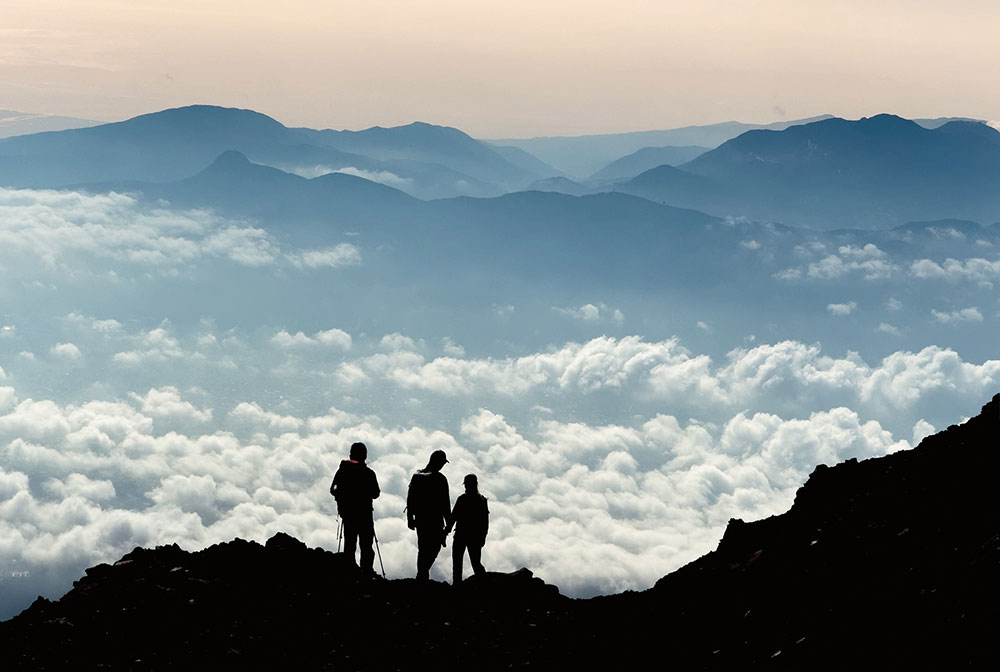
Yes, but you’ll need 100 Yen coins for restroom use at mountain huts and the base. These coins are also handy for buying water or sports drinks during the ascent and descent.